Moving to another EU country? A practical guide to re-registering your vehicle without surprises

What you'll read

Moving countries inside the EU is relatively simple for people, but cars follow a different set of rules. If you are asking yourself what actually happens to your vehicle when you relocate, this guide breaks down everything you need to know. Re-registering a car in another EU country is mandatory in most cases, and misunderstanding the process can lead to fines, delays, or being unable to legally drive your car.

This article explains when re-registration is required, what documents you will need, what costs to expect, and how to avoid the most common mistakes people make when moving with their vehicle inside the European Union.

When you must re-register your vehicle in another EU country

If you become a resident of another EU country, you are generally required to re-register your vehicle there. Temporary stays such as tourism or short business trips do not usually trigger this obligation, but permanent relocation almost always does.

Most EU countries apply a residency threshold. Once you exceed it, keeping foreign plates becomes illegal. Authorities may fine you, invalidate your insurance, or refuse inspections if the vehicle is not re-registered locally.

The documents you will almost always need

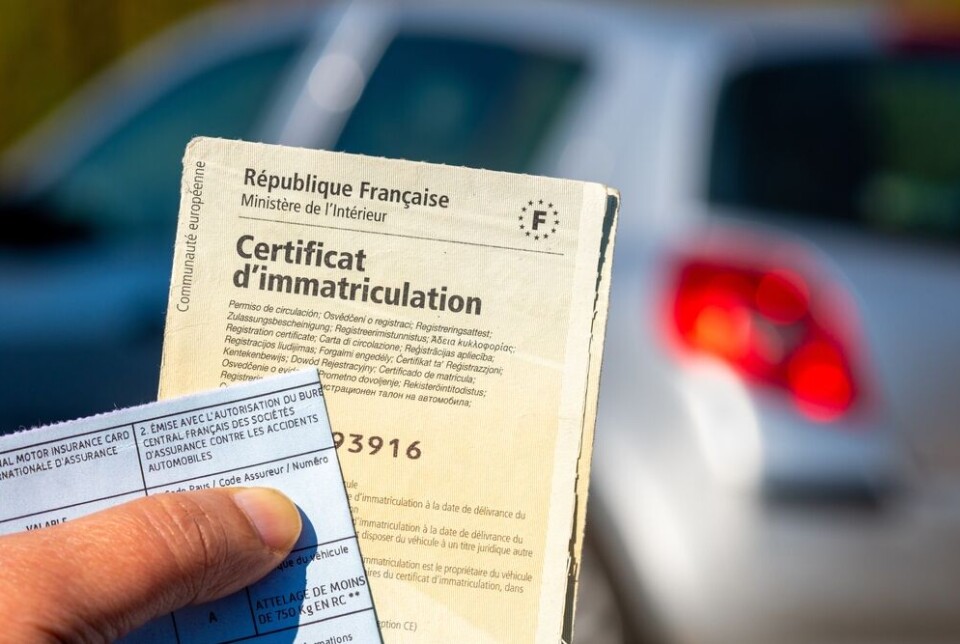
Re-registering a car inside the EU is largely an administrative process, but missing documents are the main reason for delays. Authorities typically request proof of ownership, your identity and residency, and technical documentation of the vehicle.

One of the most important documents is the Certificate of Conformity. This proves that the vehicle meets EU technical and environmental standards. Without it, many countries require additional inspections or individual approvals, which are slower and more expensive.

Technical inspections and compliance checks

Even if your car was already registered in an EU country, most states require a local technical inspection. This ensures the vehicle complies with national safety and emissions rules.

Some countries recognize recent inspections from other EU states, but many still require a new one. Emissions standards are particularly important, and older vehicles may face extra testing or higher registration costs.

Taxes and fees you should expect

While customs duties do not apply inside the EU, re-registering a vehicle is not free. Typical costs include registration fees, license plates, technical inspections, and in some countries environmental or ownership taxes.

Certain states apply registration taxes based on engine size, COâ‚‚ emissions, or vehicle age. These costs often surprise people who assume EU freedom of movement also means free vehicle registration.

Common mistakes when re-registering a car abroad

Many people underestimate how strict local authorities can be. Driving too long on foreign plates, assuming insurance automatically transfers, or delaying paperwork are frequent errors.

Another common mistake is ignoring documentation until arrival. Ordering missing papers after moving often leads to weeks of delays and temporary driving bans.

Preparation is the key to stress-free re-registration. Before moving, check the destination country’s rules, confirm which documents are accepted, and secure your vehicle’s technical paperwork early.

Having complete documentation from day one usually means fewer inspections, lower fees, and faster approval. In most cases, this saves both time and money compared to fixing issues later.

Final thoughts and how we can help

Re-registering your vehicle after moving to another EU country is not complicated, but it is unforgiving if you are unprepared. The biggest delays and extra costs usually come from missing or incomplete documentation.

We help drivers moving across the EU obtain the required vehicle documents quickly and at some of the most competitive prices on the market. If you want a smooth transition, fewer inspections, and no administrative surprises, starting with the right paperwork makes all the difference.

Other guides: